Stable Summation and Mean Calculation
Install and import#
npm install fintech-algorithmsimport { stableSummationAndMeanCalculation } from "fintech-algorithms/financial-mathematics-statistics-and-data-foundations/statistical-computing-and-reproducibility/stable-summation-and-mean-calculation";Signature#
stableSummationAndMeanCalculation(input)Worked example#
verified This is the worked example published in the article, replayed by the test suite on every run. The output cannot drift.
Input#
{
  "values": [10000000000000000, 1, -10000000000000000, 3],
  "floatingValue": 0.1,
  "maxSafeMagnitude": 1.7976931348623157e+308,
  "window": 3,
  "rawValues": [1, null, 2, "bad", 3],
  "invalidPolicy": "drop-and-report",
  "seed": 42,
  "sampleCount": 5,
  "leftVector": [
    {
      "index": "A",
      "value": 1
    },
    {
      "index": "B",
      "value": 2
    }
  ],
  "rightVector": [
    {
      "index": "B",
      "value": 20
    },
    {
      "index": "C",
      "value": 30
    }
  ],
  "train": [10, 12, 14, 16],
  "test": [18, 20],
  "actual": [1, 2.0000001, 3],
  "expected": [1, 2, 3]
}
Showing 14 of 18 fields.
Call#
stableSummationAndMeanCalculation(input)Returns#
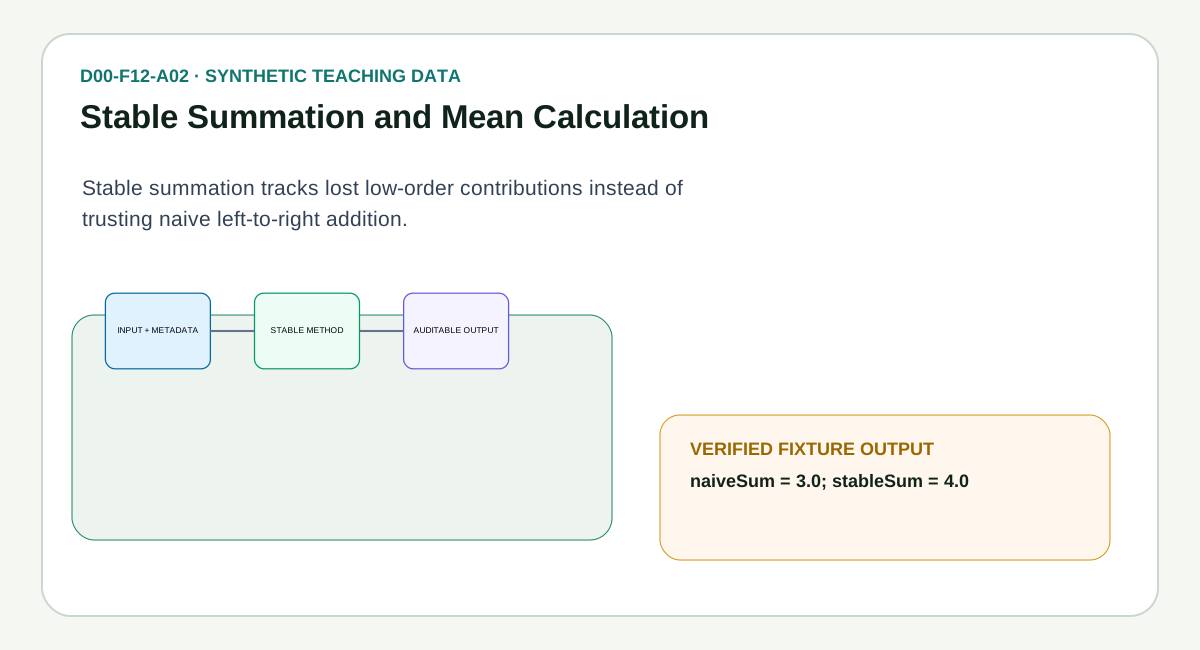
object with 2 fields: naiveSum, stableSum
{
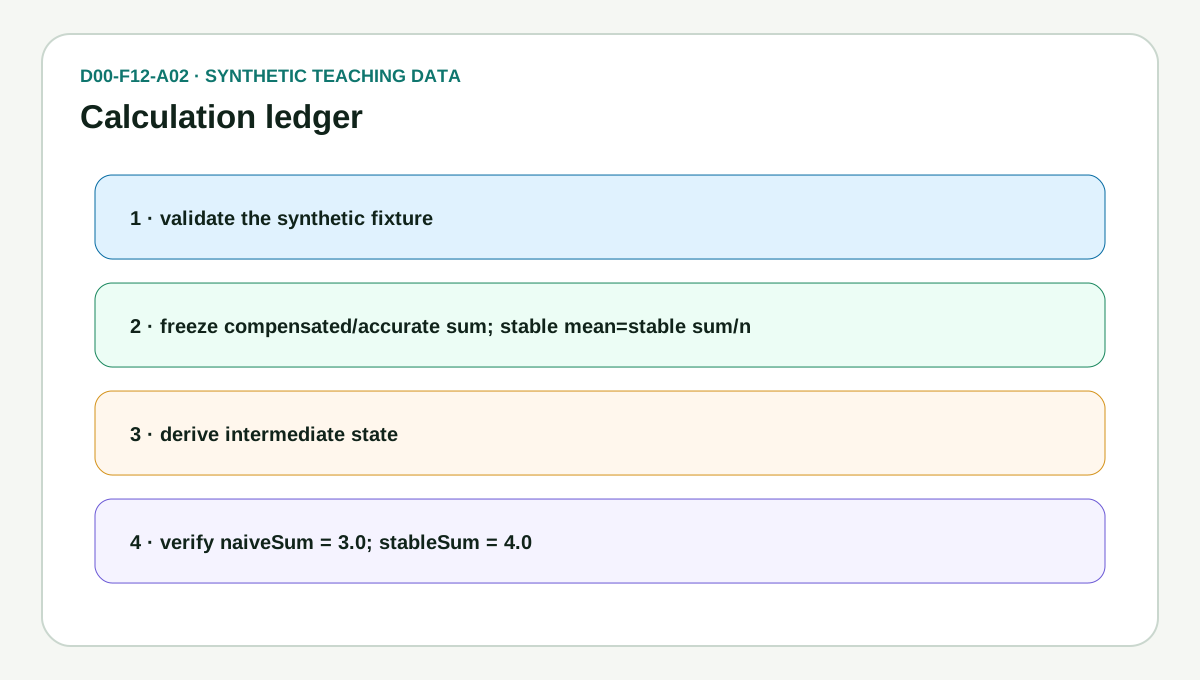
  "naiveSum": 3,
  "stableSum": 4
}Diagrams#
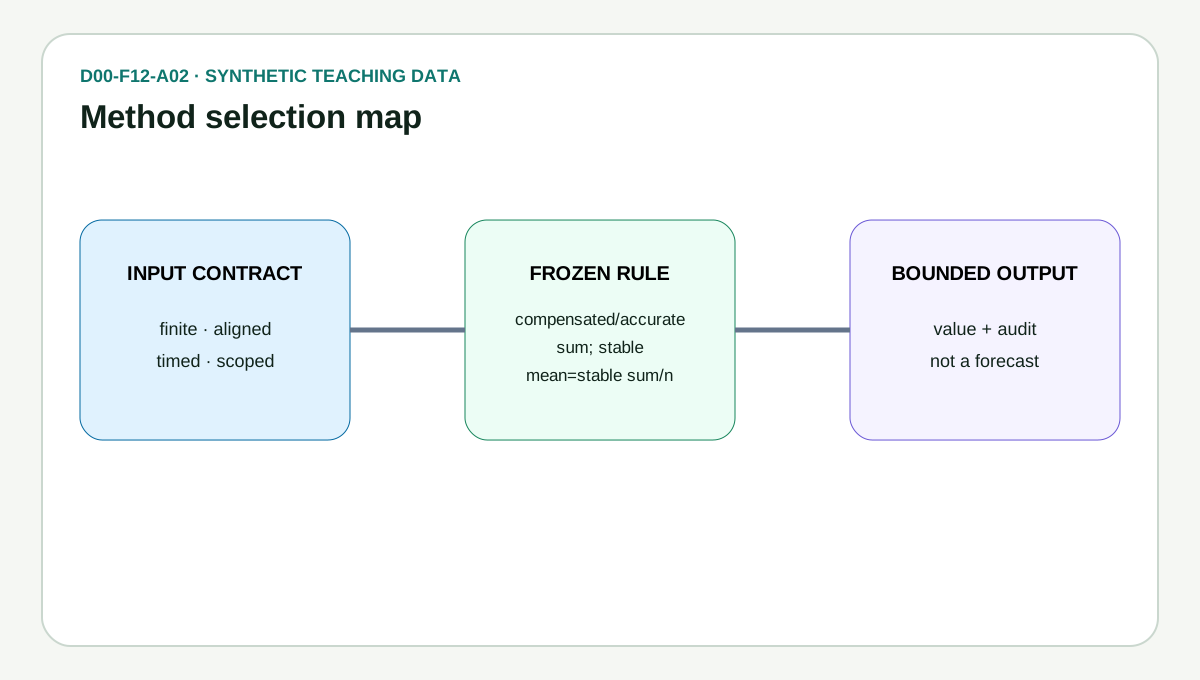
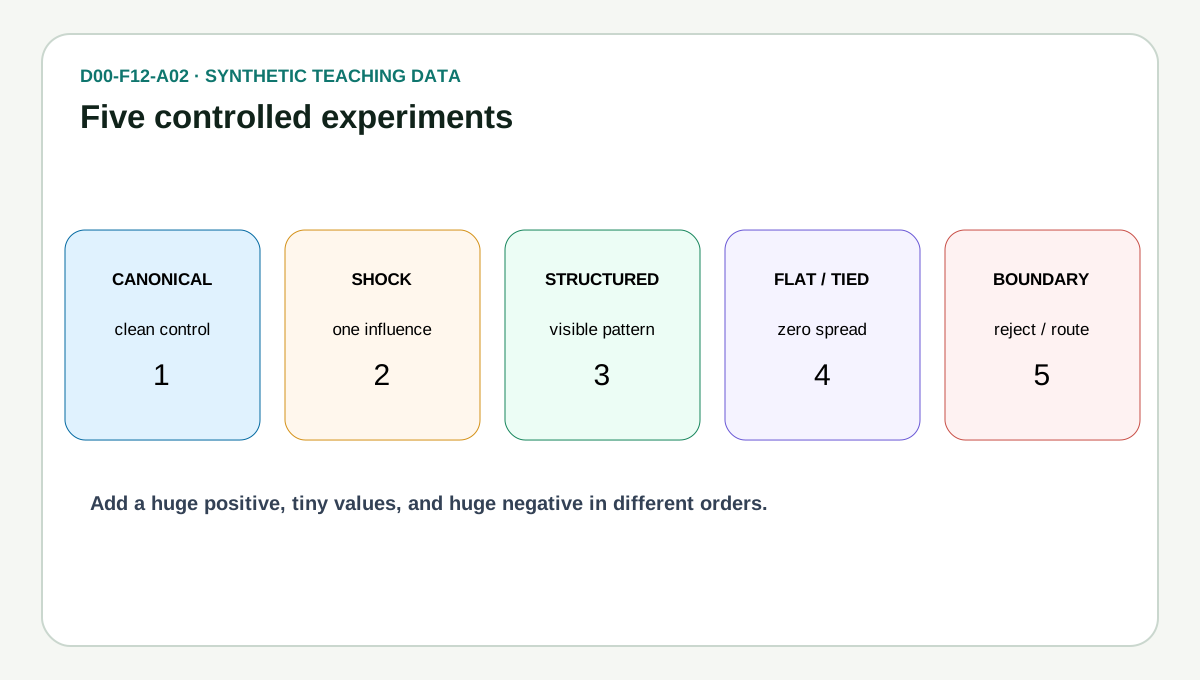
How it works#
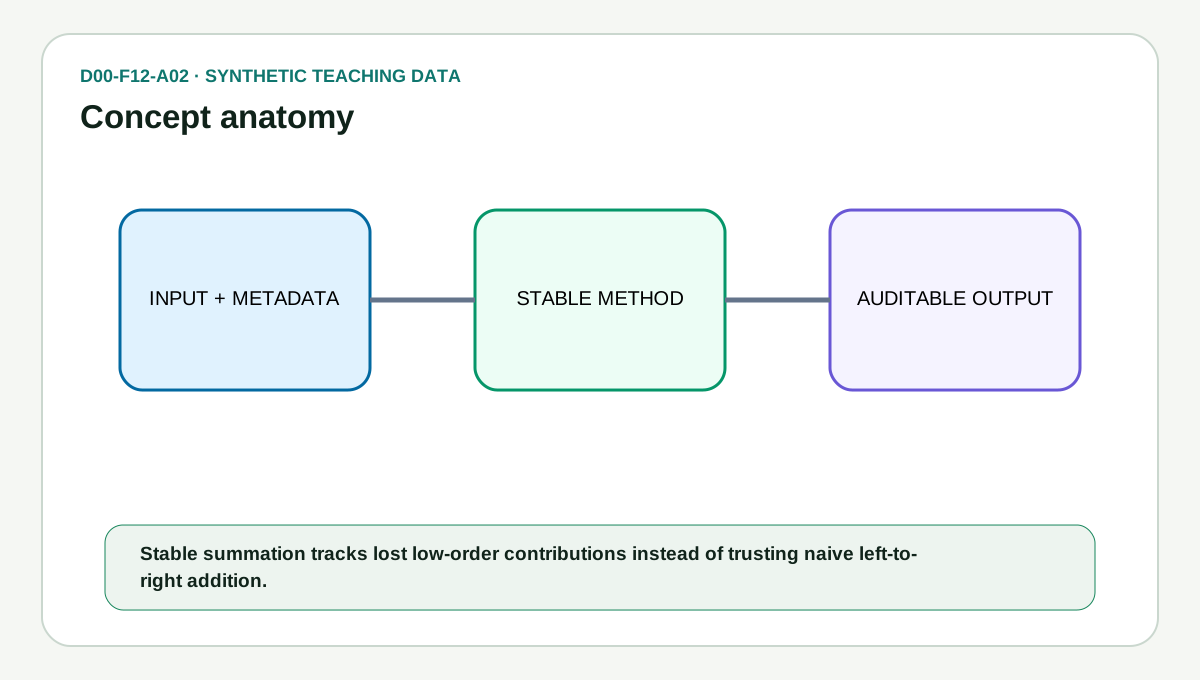
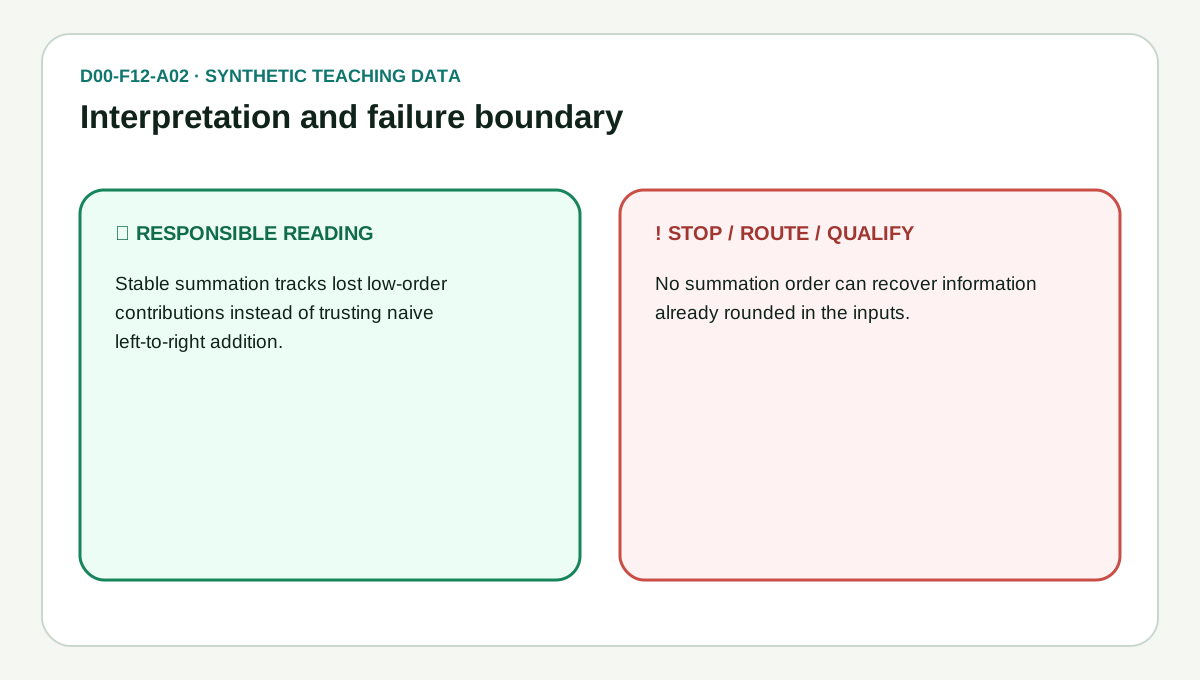
This page states the contract — how to call it correctly. The article explains the concept: why it works, and where it breaks.
References#
- Floating-Point Arithmetic — IEEE 754-2019
- math.fsum — Python Documentation
- Random Sampling — NumPy Documentation
- Common Pitfalls and Recommended Practices — scikit-learn
- Historical-example decision