Data Provenance, Lineage, Ownership, and Licensing
Install and import#
npm install fintech-algorithmsimport { dataProvenanceLineageOwnershipAndLicensing } from "fintech-algorithms/foundations/data-variables-samples-and-measurement/data-provenance-lineage-ownership-and-licensing";Signature#
dataProvenanceLineageOwnershipAndLicensing(input)Checks a dataset's provenance record against the five fields the engine treats as mandatory and reports which of them are absent.
Parameters#
| Name | Type | Notes |
|---|---|---|
input | D00Input | A plain object. Every F03 topic first reads rows, which must be a non-empty array of row objects, and derives the sorted union of every key seen across them before any per-topic branch runs, even though this topic does not use them. The calculation itself reads provenance, an optional record that defaults to empty and is checked for source, owner, license, retrievedAt and transformations. |
Returns#
{ complete: boolean; missingFields: string[]; lineageSteps: number }
missingFields lists whichever of the five required fields is absent or falsy, and complete is true only when that list is empty. lineageSteps is the length of provenance.transformations, or 0 when it is absent.
Errors#
- When input is not a plain object — throws TypeError
- When rows is missing, empty, or not an array — throws RangeError
Complexity: time O(r * c),
space O(r * c).
Worked example#
verified This is the worked example published in the article, replayed by the test suite on every run. The output cannot drift.
Input#
{
  "rows": [
    {
      "entity": "A",
      "timestamp": "2025-01-01T00:00:00Z",
      "value": 10,
      "rating": "low"
    },
    {
      "entity": "A",
      "timestamp": "2025-01-02T00:00:00Z",
      "value": null,
      "rating": "medium",
      "censored": true
    },
    {
      "entity": "B",
      "timestamp": "2025-01-01T00:00:00Z",
      "value": 12,
      "rating": "high"
    }
  ],
  "ordinalColumns": ["rating"],
  "populationSize": 100,
  "frameSize": 80,
  "keyColumns": ["entity", "timestamp"],
  "truncationRule": "values below 5 excluded",
  "measurements": [9.9, 10, 10.1, 10],
  "referenceValue": 10,
  "vintages": [
    {
      "availableAt": "2025-02-01T00:00:00Z",
      "value": 100
    },
    {
      "availableAt": "2025-03-01T00:00:00Z",
      "value": 102
    },
    {
      "availableAt": "2025-04-01T00:00:00Z",
      "value": 101
    }
  ],
  "asOf": "2025-03-15T00:00:00Z",
  "provenance": {
    "source": "teaching.csv",
    "owner": "Fintech Builder",
    "license": "CC-BY-4.0",
    "retrievedAt": "2026-08-10",
    "transformations": ["parse", "validate"]
  }
}Call#
dataProvenanceLineageOwnershipAndLicensing(input)Returns#
object with 2 fields: complete, missingFields
{
  "complete": true,
  "missingFields": []
}Diagrams#
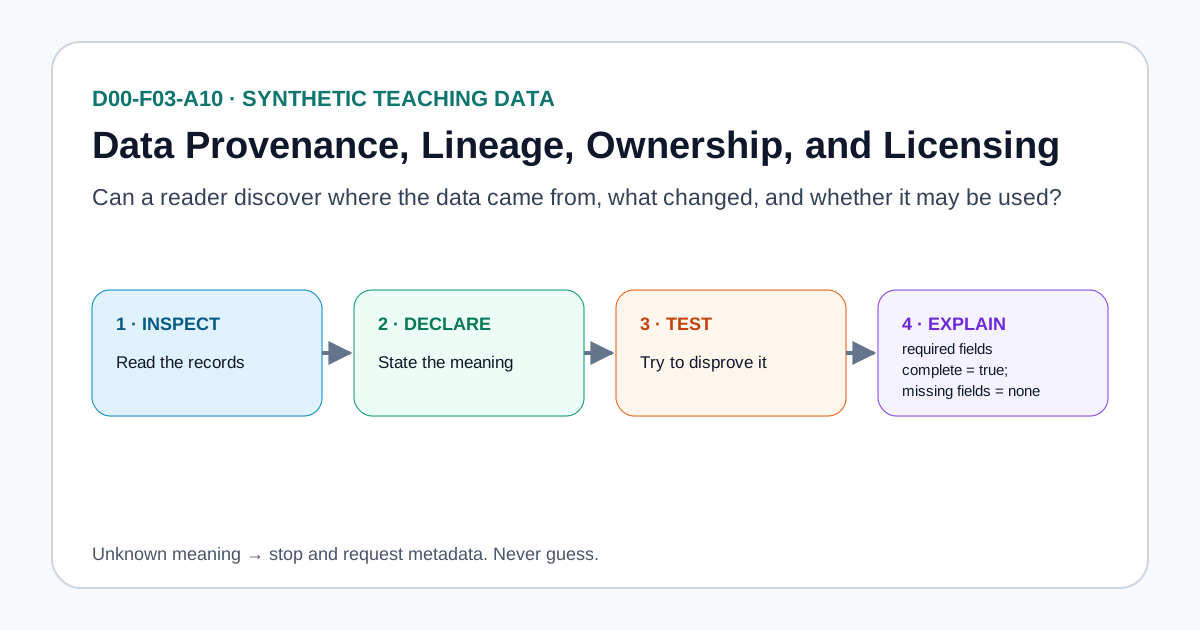
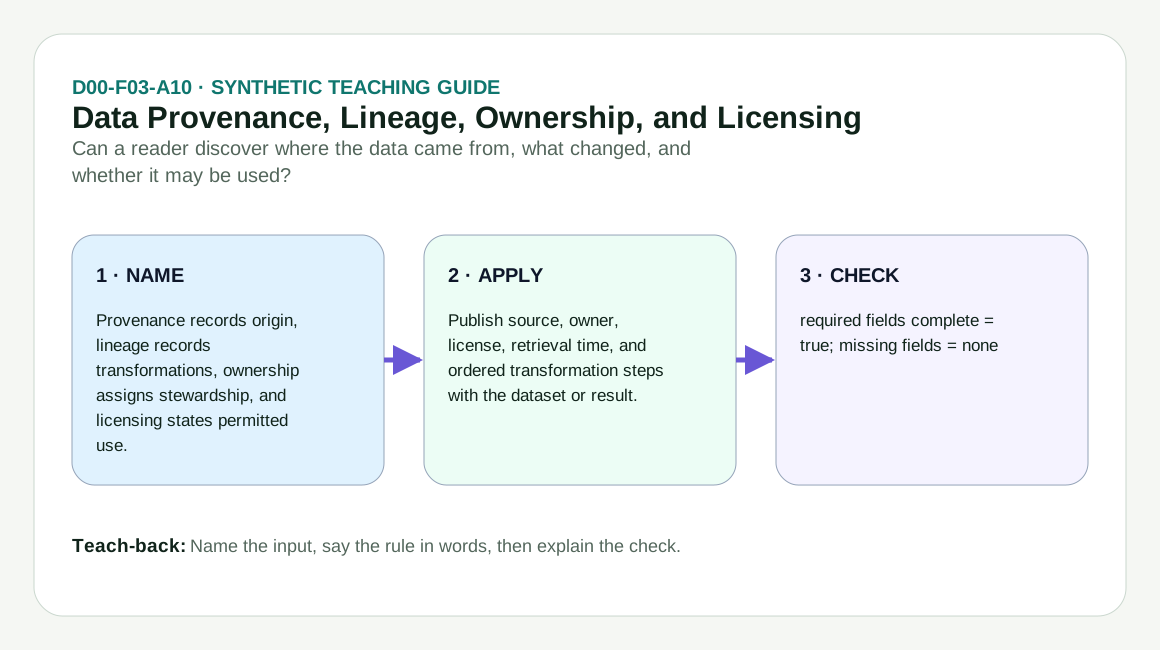
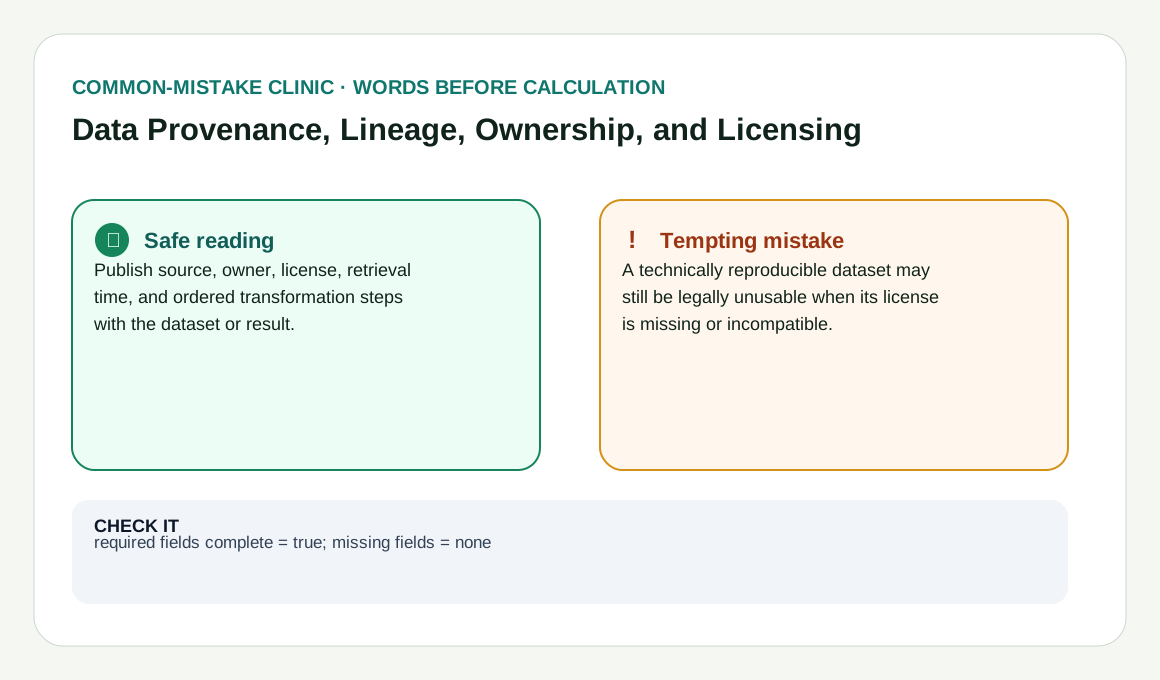
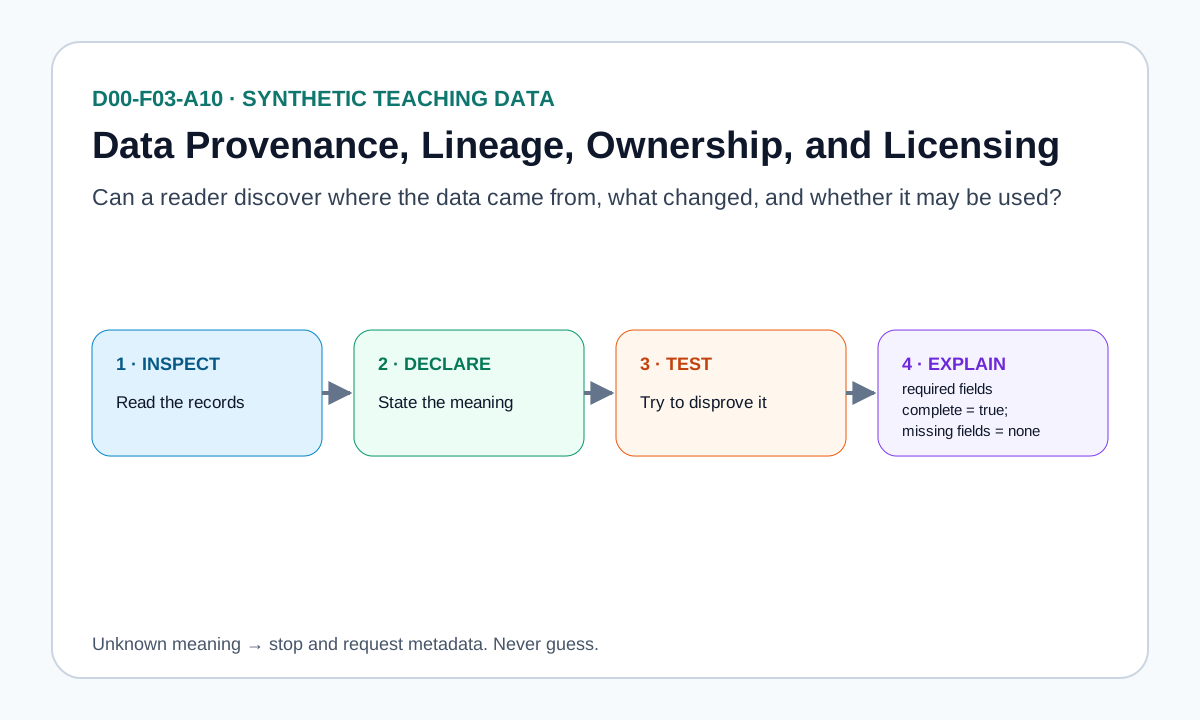
Calculation flow#
Concept flow — D00-F03-A10
flowchart LR
    A["Synthetic records"] --> B["Declare meaning"]
    B --> C["Run diagnostic"]
    C --> D{"Assumption survives?"}
    D -->|Yes| E["Explain: required fields complete = true; missing fields = none"]
    D -->|No| F["Stop and repair metadata"]
How it works#
This page states the contract — how to call it correctly. The article explains the concept: why it works, and where it breaks.
References#
- 1. W3C PROV-O: The PROV Ontology
- 2. W3C Data on the Web Best Practices
- Evidence boundary