Zmijewski X-Score
Install and import#
npm install fintech-algorithmsimport { zmijewskiXScore } from "fintech-algorithms/fundamental-analysis-and-valuation/quality-and-distress/zmijewski-x-score";Signature#
zmijewskiXScore(data)Computes Zmijewski's 1984 three-variable probit index from return on assets, leverage and the current ratio, and converts it to a distress probability through the standard normal CDF.
Parameters#
| Name | Type | Notes |
|---|---|---|
data | { total_assets: number; total_liabilities: number; current_assets: number; current_liabilities: number; net_income: number } | One accounting record. net_income over total_assets gives ROA, total_liabilities over total_assets gives leverage, and current_assets over current_liabilities gives the current ratio. |
Returns#
{ state: string; method: string; variables: { roa: number; leverage: number; current_ratio: number }; x_score: number; probit_probability: number; screen: string; index_cutoff: number }
variables holds the three inputs to the index. x_score applies the intercept -4.336 with coefficients -4.513 on ROA, 5.679 on leverage and 0.004 on the current ratio. probit_probability is the normal CDF of that index, computed with a rational approximation to erf. index_cutoff is 0 and screen is distress-side when the index is above zero and non-distress-side otherwise. method is zmijewski-1984-probit and state is calculated.
Errors#
- When data is not a plain object — throws TypeError
- When any field read is missing or not a finite number — throws TypeError
- When total_assets or current_liabilities is zero or negative — throws RangeError
- When total_liabilities is negative — throws RangeError
Complexity: time O(1),
space O(1).
Worked example#
executed Captured by running this function on the input its own test provides. Real output of real code — but not asserted against a published figure.
Input#
{
  "total_assets": 1000,
  "total_liabilities": 550,
  "current_assets": 450,
  "current_liabilities": 250,
  "net_income": 80
}Call#
zmijewskiXScore(data)Returns#
object with 7 fields: state, method, variables, x_score, probit_probability, screen, index_cutoff
{
  "state": "calculated",
  "method": "zmijewski-1984-probit",
  "variables": {
    "roa": 0.08,
    "leverage": 0.55,
    "current_ratio": 1.8
  },
  "x_score": -1.5663899999999997,
  "probit_probability": 0.0586286812026503,
  "screen": "non-distress-side",
  "index_cutoff": 0
}
Other exports#
This module also exports
calculate, altmanZScore, piotroskiFScore, beneishMScore, sloanAccrualMeasure, ohlsonOScore, springateSScore, tafflerZScore, fulmerHScore, groverGScore, dechowFScoreForMisstatementRisk, dechowDichevAccrualQuality, modifiedJonesDiscretionaryAccrualModel. Every module additionally exports run as an alias of its
primary function, and a meta object carrying its catalog id, domain, family,
shape and article URL.
Diagrams#
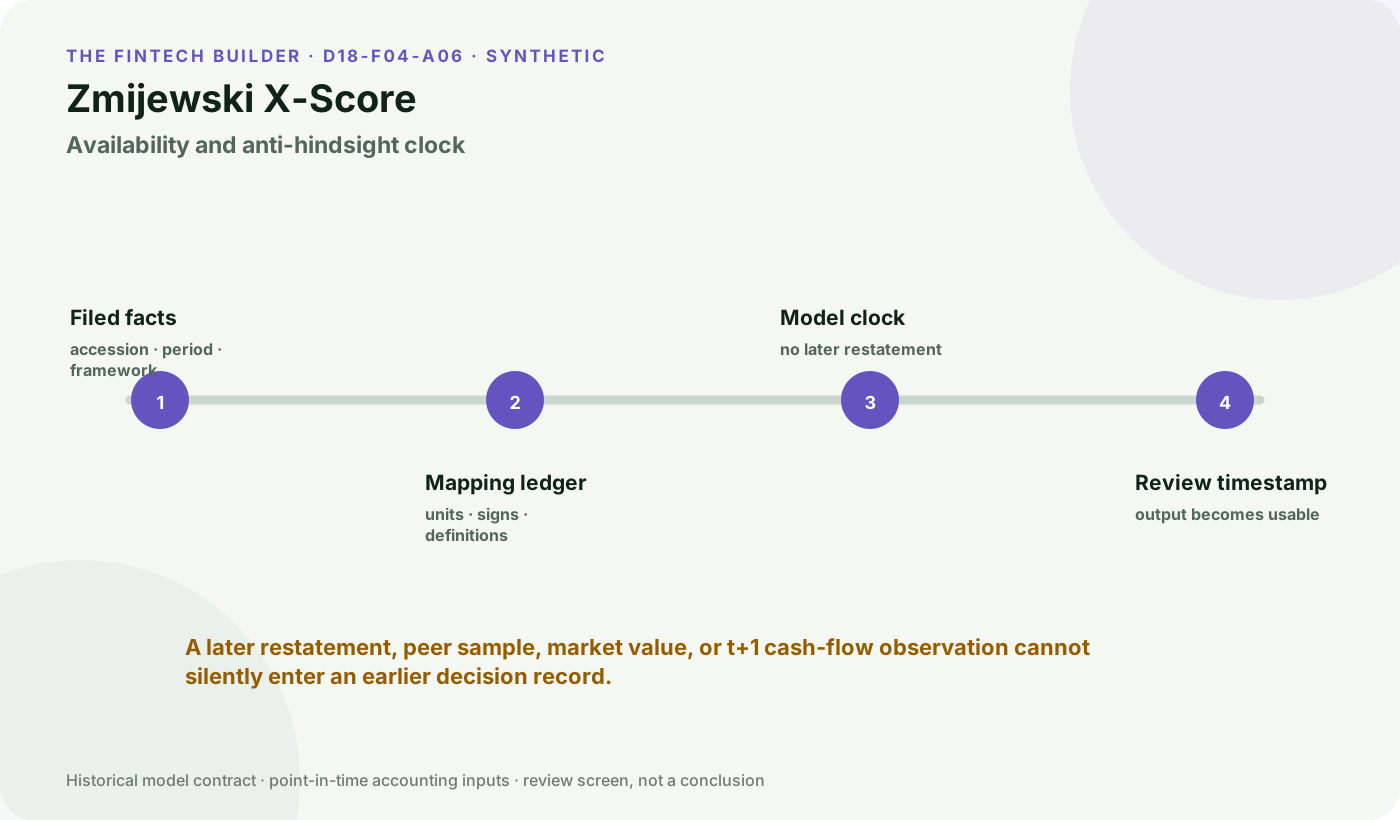
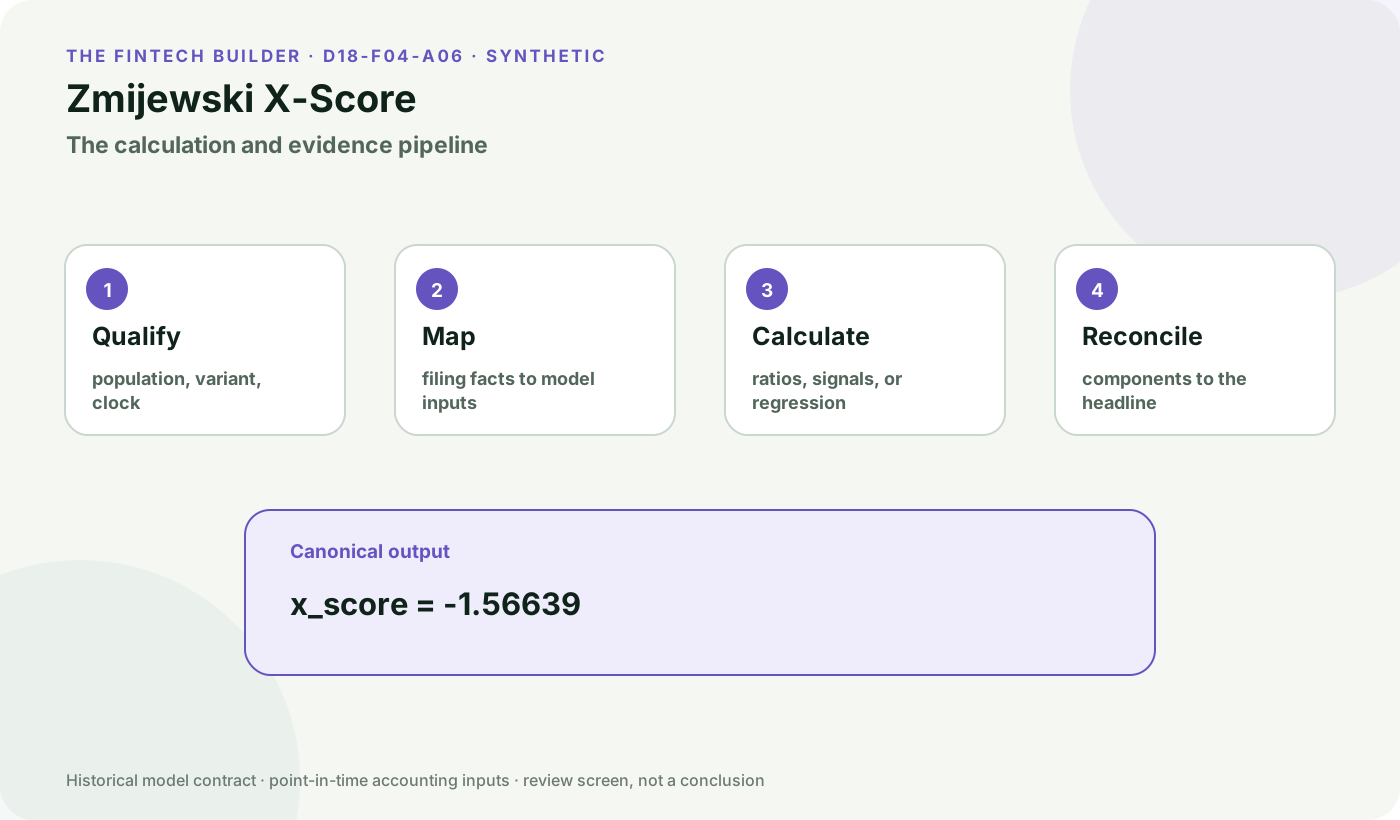

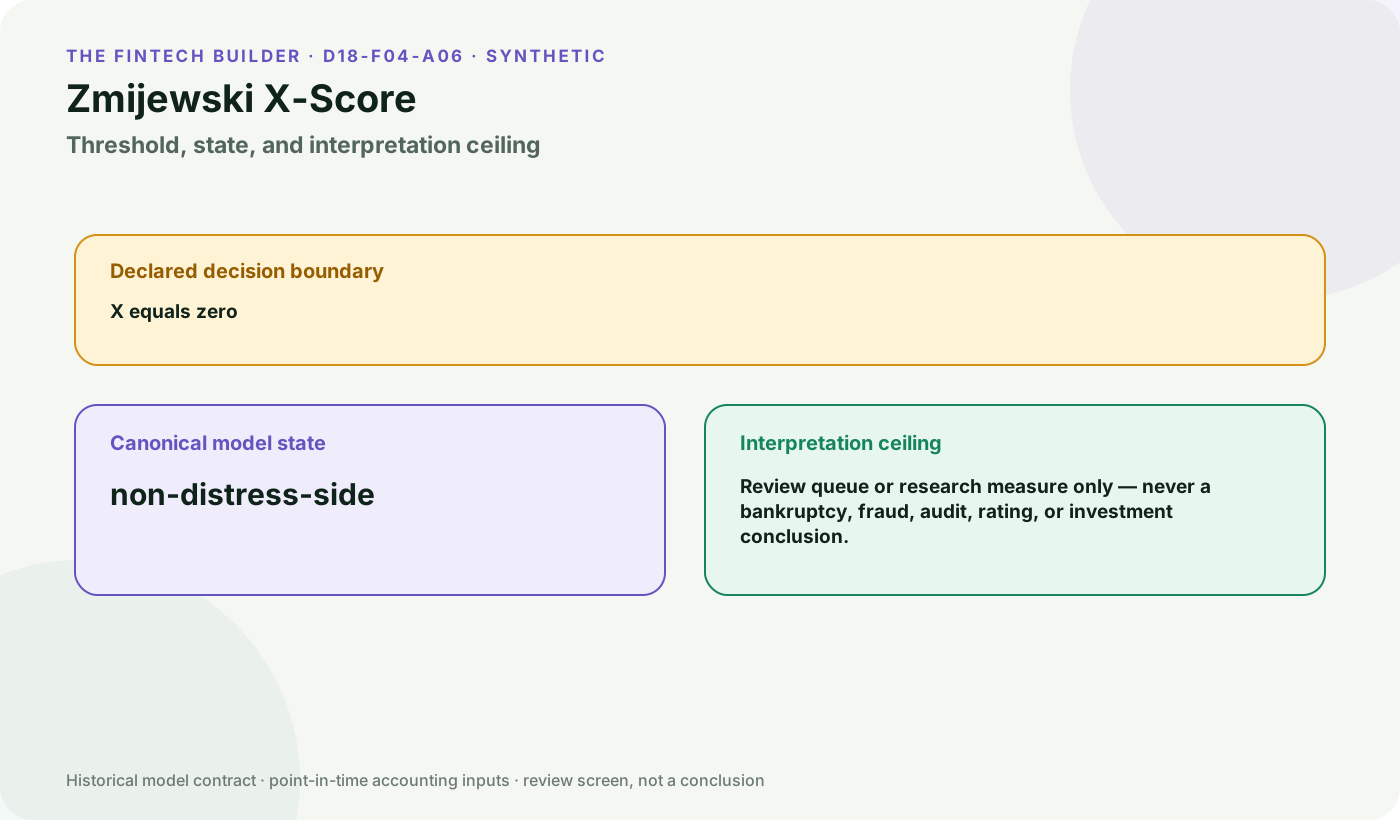
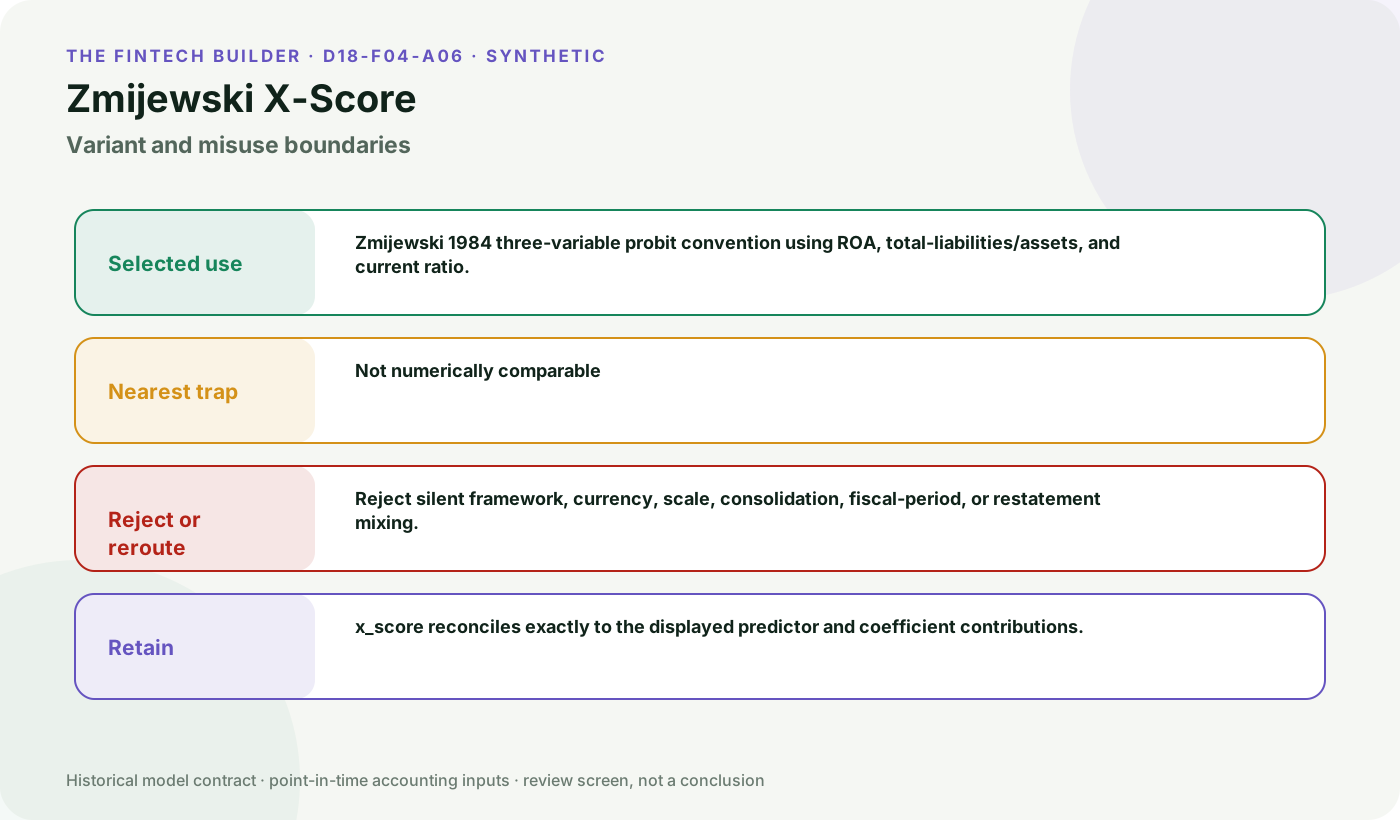
Calculation flow#
Zmijewski X-Score calculation flow
flowchart LR
    S1["Verify the exact variant population statement clock an"]
    S2["Validate denominators logs and aligned accounting inpu"]
    S3["Calculate named ratios and apply the frozen coefficien"]
    S4["Retain the raw score transformation screen and limitat"]
    S1 --> S2
    S2 --> S3
    S3 --> S4
    S4 --> D{"X equals zero"}
    D --> O["x_score + diagnostics"]
    O --> A["Audit: xscore reconciles exactly to the displayed predictor and c"]
How it works#
This page states the contract — how to call it correctly. The article explains the concept: why it works, and where it breaks.
References#
- Methodological Issues Related to the Estimation of Financial Distress Prediction Models — Mark E. Zmijewski
- Beginners' Guide to Financial Statements — U.S. Securities and Exchange Commission
- Conceptual Framework for Financial Reporting — International Accounting Standards Board
- Evidence boundary