Population, Sample, Census, and Sampling Frame
Install and import#
npm install fintech-algorithmsimport { populationSampleCensusAndSamplingFrame } from "fintech-algorithms/foundations/data-variables-samples-and-measurement/population-sample-census-and-sampling-frame";Signature#
populationSampleCensusAndSamplingFrame(input)Relates the rows in hand to the population they are meant to represent and to the frame they were drawn from, reporting the sampling fraction and the frame's coverage.
Parameters#
| Name | Type | Notes |
|---|---|---|
input | D00Input | A plain object. Every F03 topic first reads rows, which must be a non-empty array of row objects, and derives the sorted union of every key seen across them before any per-topic branch runs. This topic then reads populationSize, the size of the target population, and frameSize, the size of the list actually sampled from. Both are coerced with Number and neither is range-checked. |
Returns#
{ sampleSize: number; populationSize: number; samplingFraction: number; frameCoverage: number; isCensus: boolean }
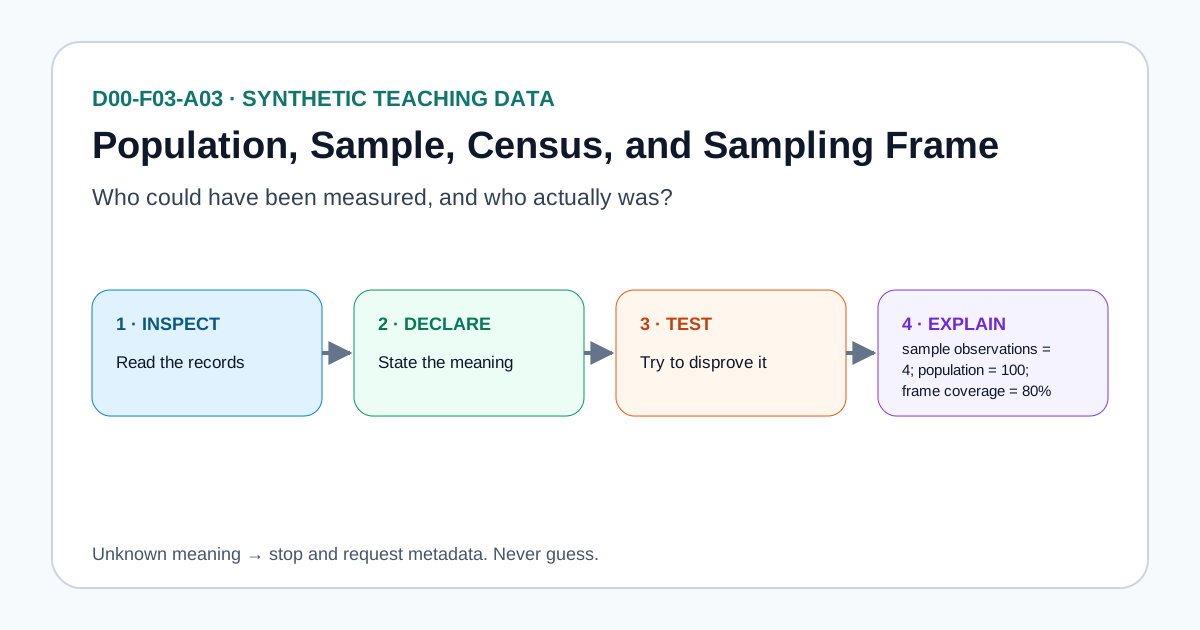
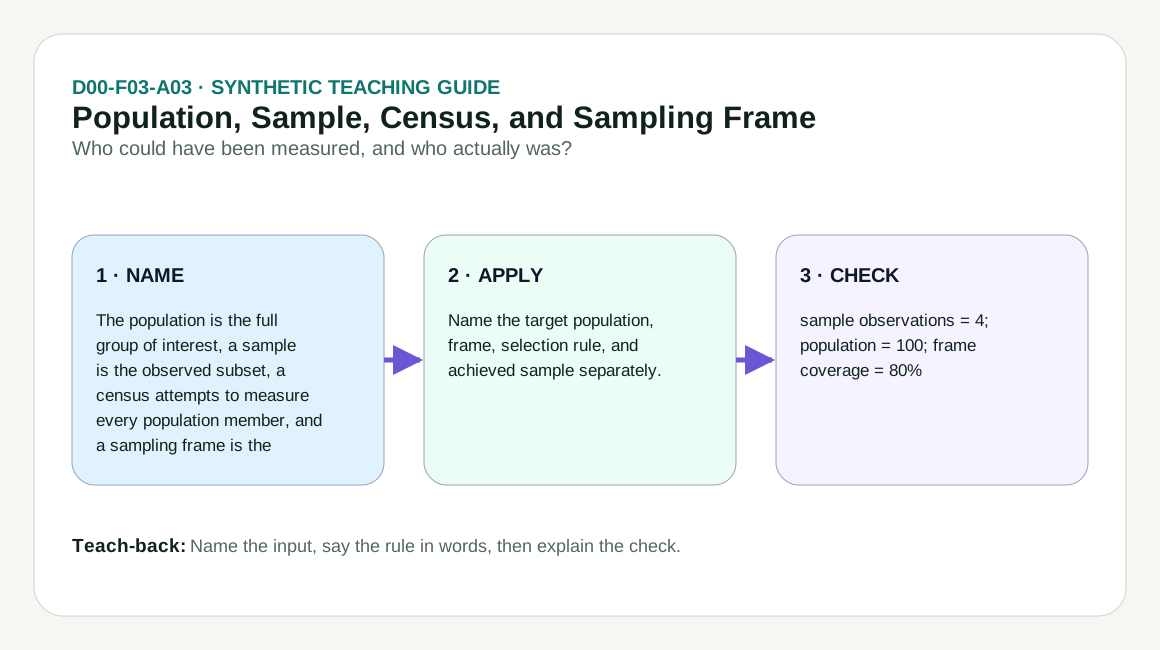
sampleSize is the row count and populationSize echoes the input. samplingFraction is sample over population and frameCoverage is frame over population. isCensus is true when the sample size equals the population size.
Errors#
- When input is not a plain object — throws TypeError
- When rows is missing, empty, or not an array — throws RangeError
Complexity: time O(r * c),
space O(r * c).
Worked example#
verified This is the worked example published in the article, replayed by the test suite on every run. The output cannot drift.
Input#
{
  "rows": [
    {
      "entity": "A",
      "timestamp": "2025-01-01T00:00:00Z",
      "value": 10,
      "rating": "low"
    },
    {
      "entity": "A",
      "timestamp": "2025-01-02T00:00:00Z",
      "value": null,
      "rating": "medium",
      "censored": true
    },
    {
      "entity": "B",
      "timestamp": "2025-01-01T00:00:00Z",
      "value": 12,
      "rating": "high"
    }
  ],
  "ordinalColumns": ["rating"],
  "populationSize": 100,
  "frameSize": 80,
  "keyColumns": ["entity", "timestamp"],
  "truncationRule": "values below 5 excluded",
  "measurements": [9.9, 10, 10.1, 10],
  "referenceValue": 10,
  "vintages": [
    {
      "availableAt": "2025-02-01T00:00:00Z",
      "value": 100
    },
    {
      "availableAt": "2025-03-01T00:00:00Z",
      "value": 102
    },
    {
      "availableAt": "2025-04-01T00:00:00Z",
      "value": 101
    }
  ],
  "asOf": "2025-03-15T00:00:00Z",
  "provenance": {
    "source": "teaching.csv",
    "owner": "Fintech Builder",
    "license": "CC-BY-4.0",
    "retrievedAt": "2026-08-10",
    "transformations": ["parse", "validate"]
  }
}Call#
populationSampleCensusAndSamplingFrame(input)Returns#
object with 2 fields: sampleSize, populationSize
{
  "sampleSize": 4,
  "populationSize": 100
}Diagrams#
Calculation flow#
Concept flow — D00-F03-A03
flowchart LR
    A["Synthetic records"] --> B["Declare meaning"]
    B --> C["Run diagnostic"]
    C --> D{"Assumption survives?"}
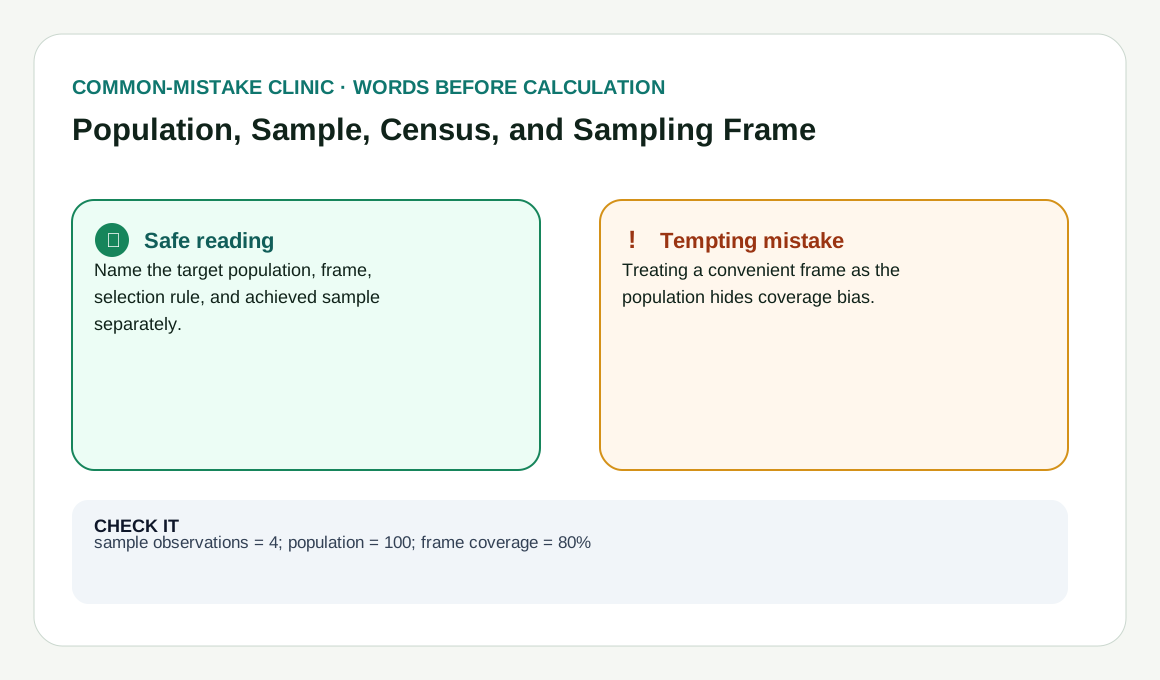
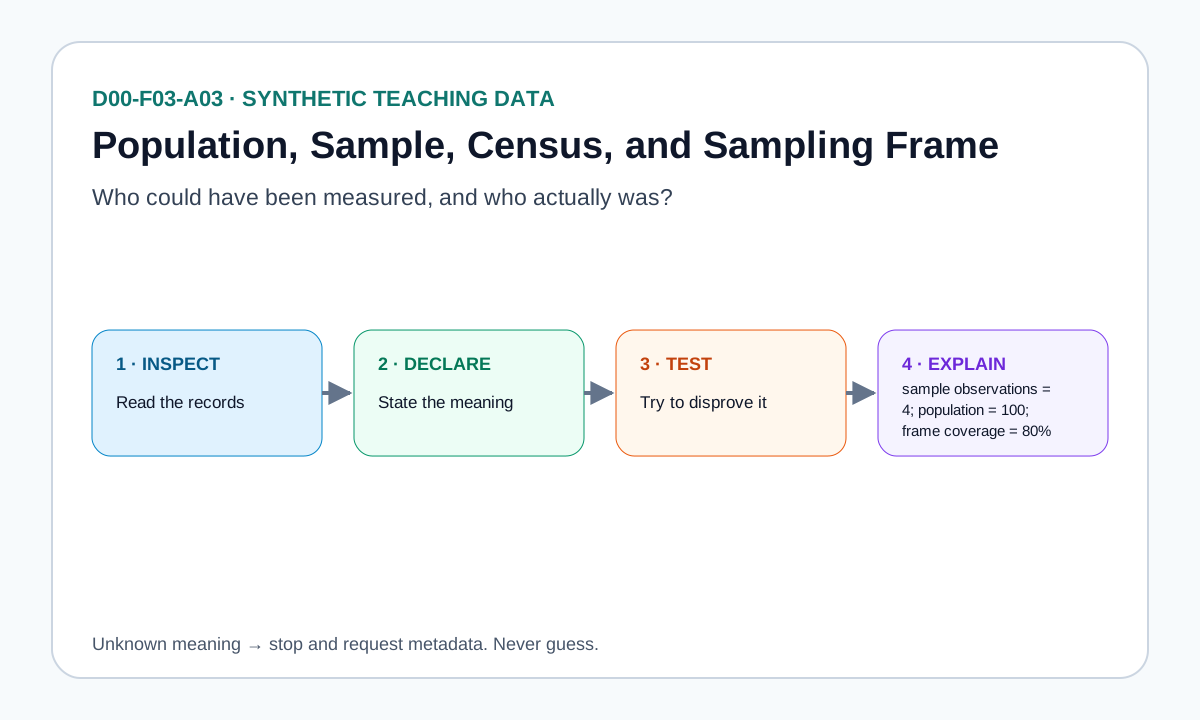
    D -->|Yes| E["Explain: sample observations = 4; population = 100; frame coverage = 80%"]
    D -->|No| F["Stop and repair metadata"]
How it works#
This page states the contract — how to call it correctly. The article explains the concept: why it works, and where it breaks.
References#
- Sample Size Definitions
- 2. NIST/SEMATECH e-Handbook Glossary
- Evidence boundary