Revisions, Vintages, and Point-in-Time Availability
Install and import#
npm install fintech-algorithmsimport { revisionsVintagesAndPointInTimeAvailability } from "fintech-algorithms/foundations/data-variables-samples-and-measurement/revisions-vintages-and-point-in-time-availability";Signature#
revisionsVintagesAndPointInTimeAvailability(input)Picks the value that was genuinely knowable at a given moment by keeping only the vintages published on or before it, which is what stops a backtest reading the future.
Parameters#
| Name | Type | Notes |
|---|---|---|
input | D00Input | A plain object. Every F03 topic first reads rows, which must be a non-empty array of row objects, and derives the sorted union of every key seen across them before any per-topic branch runs, even though this topic does not use them. The calculation itself reads asOf, the cutoff timestamp, and vintages, an array of published revisions each carrying an availableAt timestamp and a value. |
Returns#
{ asOf: string; value: unknown; vintage: string | null; excludedFutureVintages: number }
asOf echoes the cutoff. value and vintage come from the latest vintage whose availableAt is at or before the cutoff, and are both null when no vintage qualifies. excludedFutureVintages counts the revisions dropped for being published after the cutoff.
Errors#
- When input is not a plain object — throws TypeError
- When rows is missing, empty, or not an array — throws RangeError
Complexity: time O(r * c + v log v),
space O(r * c + v).
Worked example#
verified This is the worked example published in the article, replayed by the test suite on every run. The output cannot drift.
Input#
{
  "rows": [
    {
      "entity": "A",
      "timestamp": "2025-01-01T00:00:00Z",
      "value": 10,
      "rating": "low"
    },
    {
      "entity": "A",
      "timestamp": "2025-01-02T00:00:00Z",
      "value": null,
      "rating": "medium",
      "censored": true
    },
    {
      "entity": "B",
      "timestamp": "2025-01-01T00:00:00Z",
      "value": 12,
      "rating": "high"
    }
  ],
  "ordinalColumns": ["rating"],
  "populationSize": 100,
  "frameSize": 80,
  "keyColumns": ["entity", "timestamp"],
  "truncationRule": "values below 5 excluded",
  "measurements": [9.9, 10, 10.1, 10],
  "referenceValue": 10,
  "vintages": [
    {
      "availableAt": "2025-02-01T00:00:00Z",
      "value": 100
    },
    {
      "availableAt": "2025-03-01T00:00:00Z",
      "value": 102
    },
    {
      "availableAt": "2025-04-01T00:00:00Z",
      "value": 101
    }
  ],
  "asOf": "2025-03-15T00:00:00Z",
  "provenance": {
    "source": "teaching.csv",
    "owner": "Fintech Builder",
    "license": "CC-BY-4.0",
    "retrievedAt": "2026-08-10",
    "transformations": ["parse", "validate"]
  }
}Call#
revisionsVintagesAndPointInTimeAvailability(input)Returns#
object with 2 fields: asOf, value
{
  "asOf": "2025-03-15T00:00:00Z",
  "value": 102
}Diagrams#
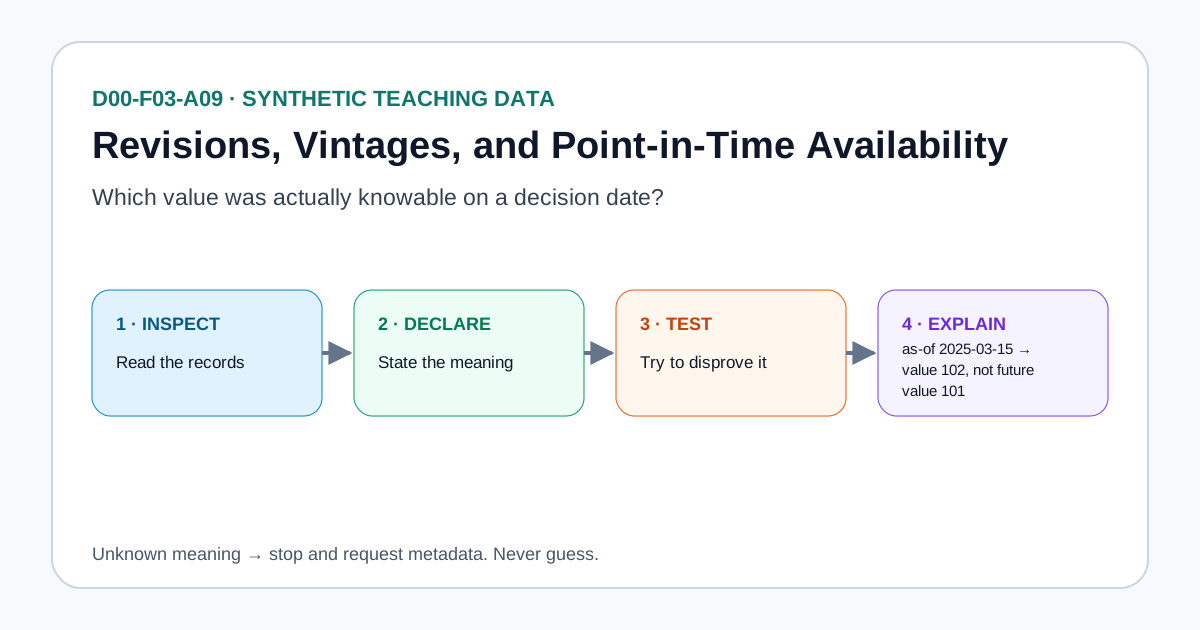
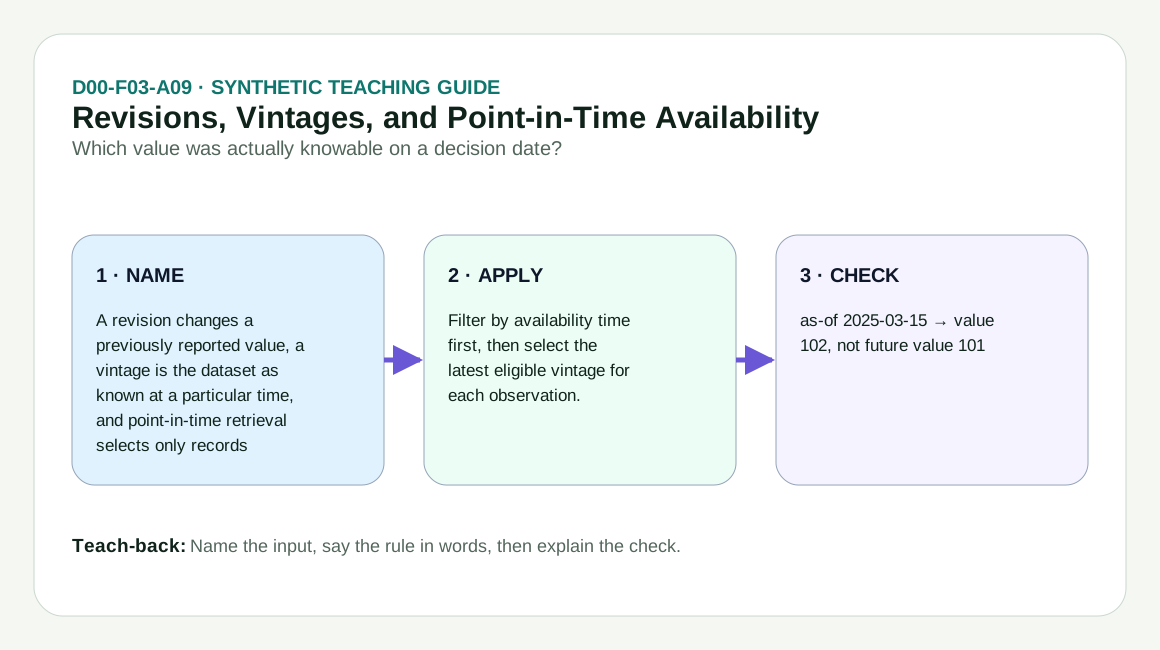
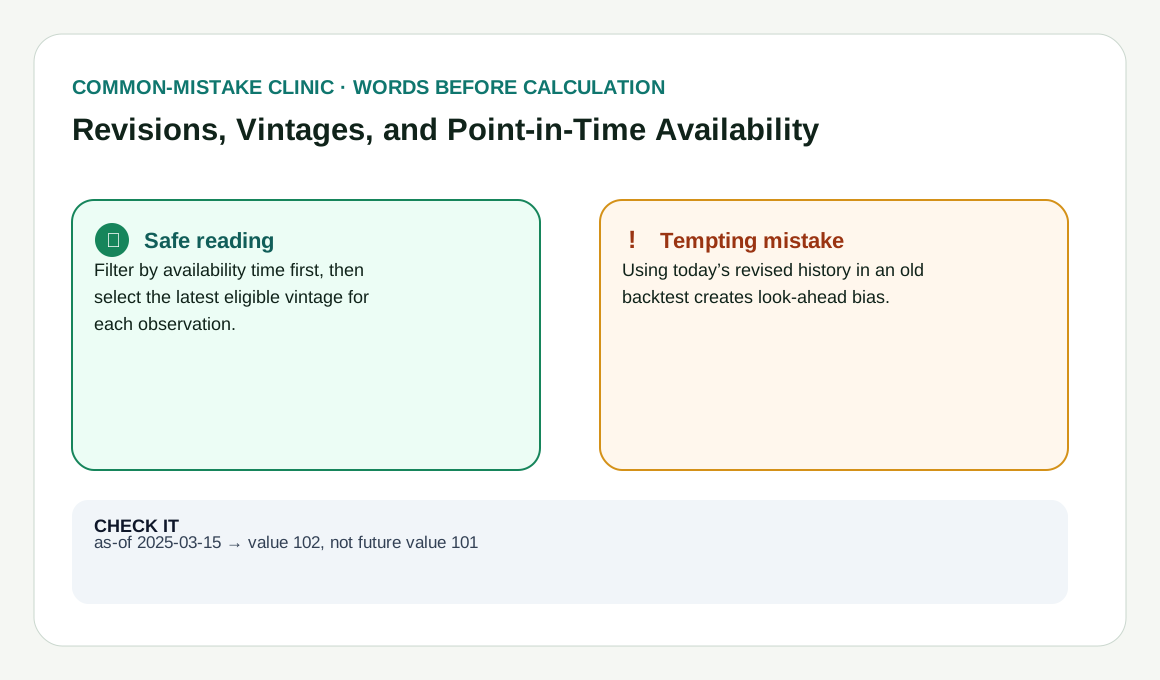
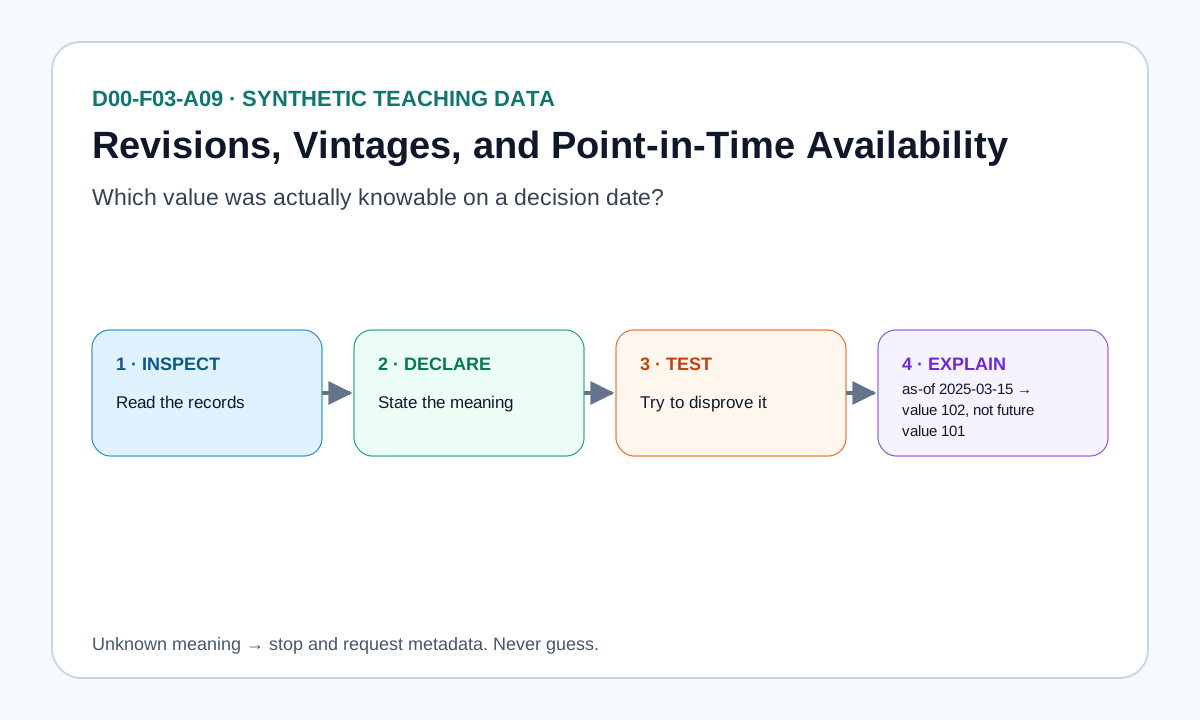
Calculation flow#
Concept flow — D00-F03-A09
flowchart LR
    A["Synthetic records"] --> B["Declare meaning"]
    B --> C["Run diagnostic"]
    C --> D{"Assumption survives?"}
    D -->|Yes| E["Explain: as-of 2025-03-15 → value 102, not future value 101"]
    D -->|No| F["Stop and repair metadata"]
How it works#
This page states the contract — how to call it correctly. The article explains the concept: why it works, and where it breaks.
References#
- Real-Time Periods
- Series Vintage Dates
- Evidence boundary